
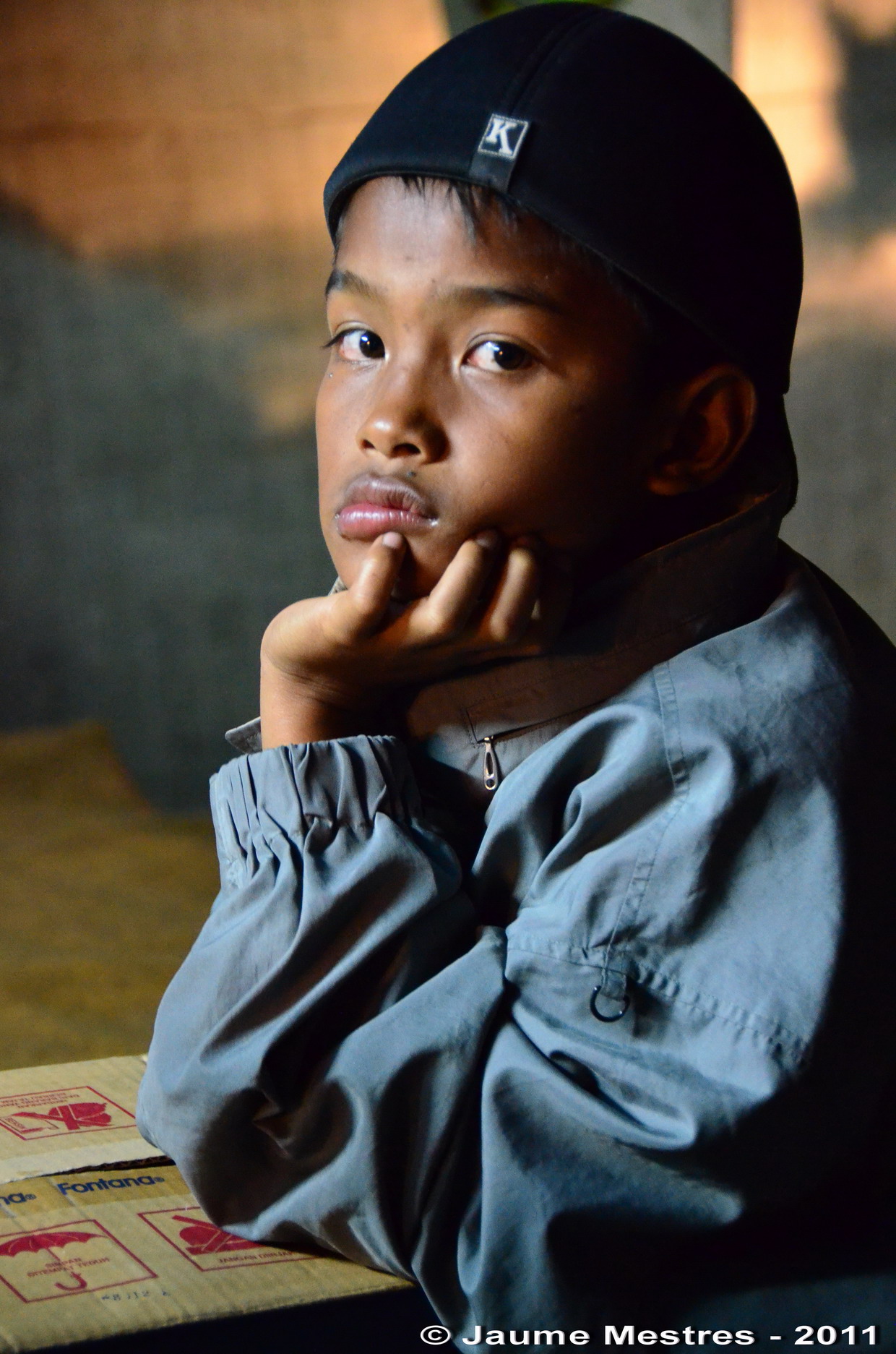
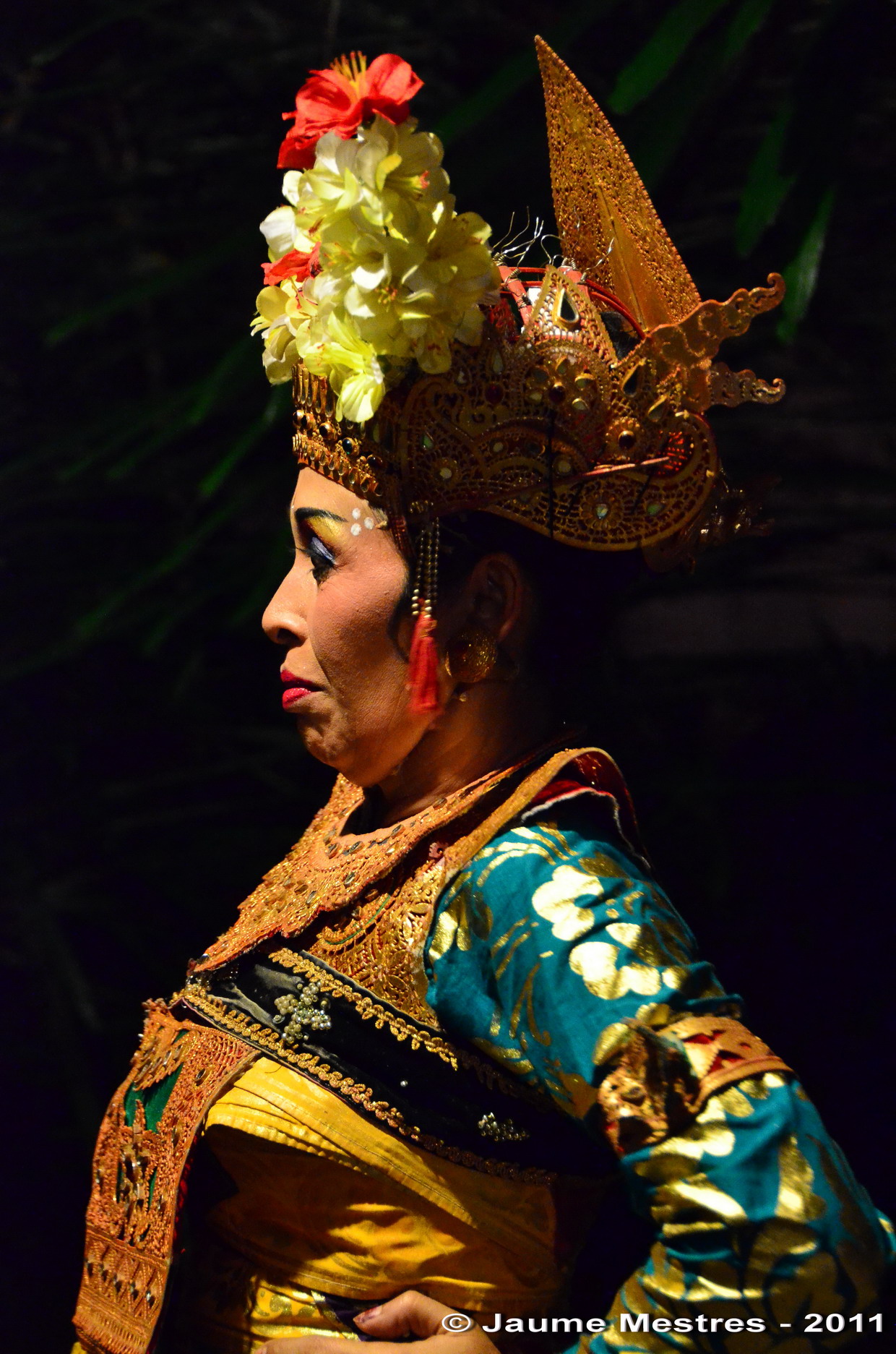
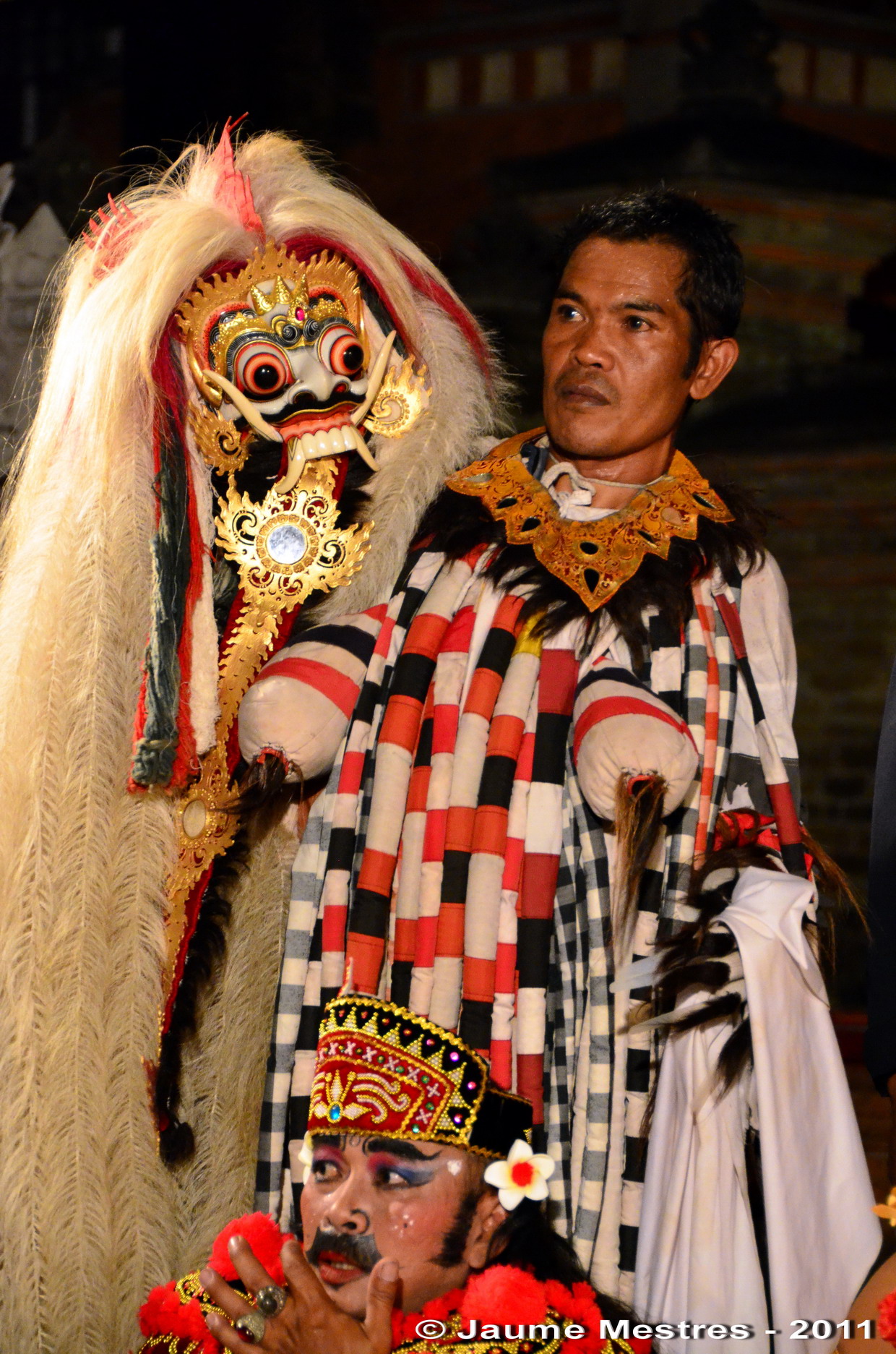
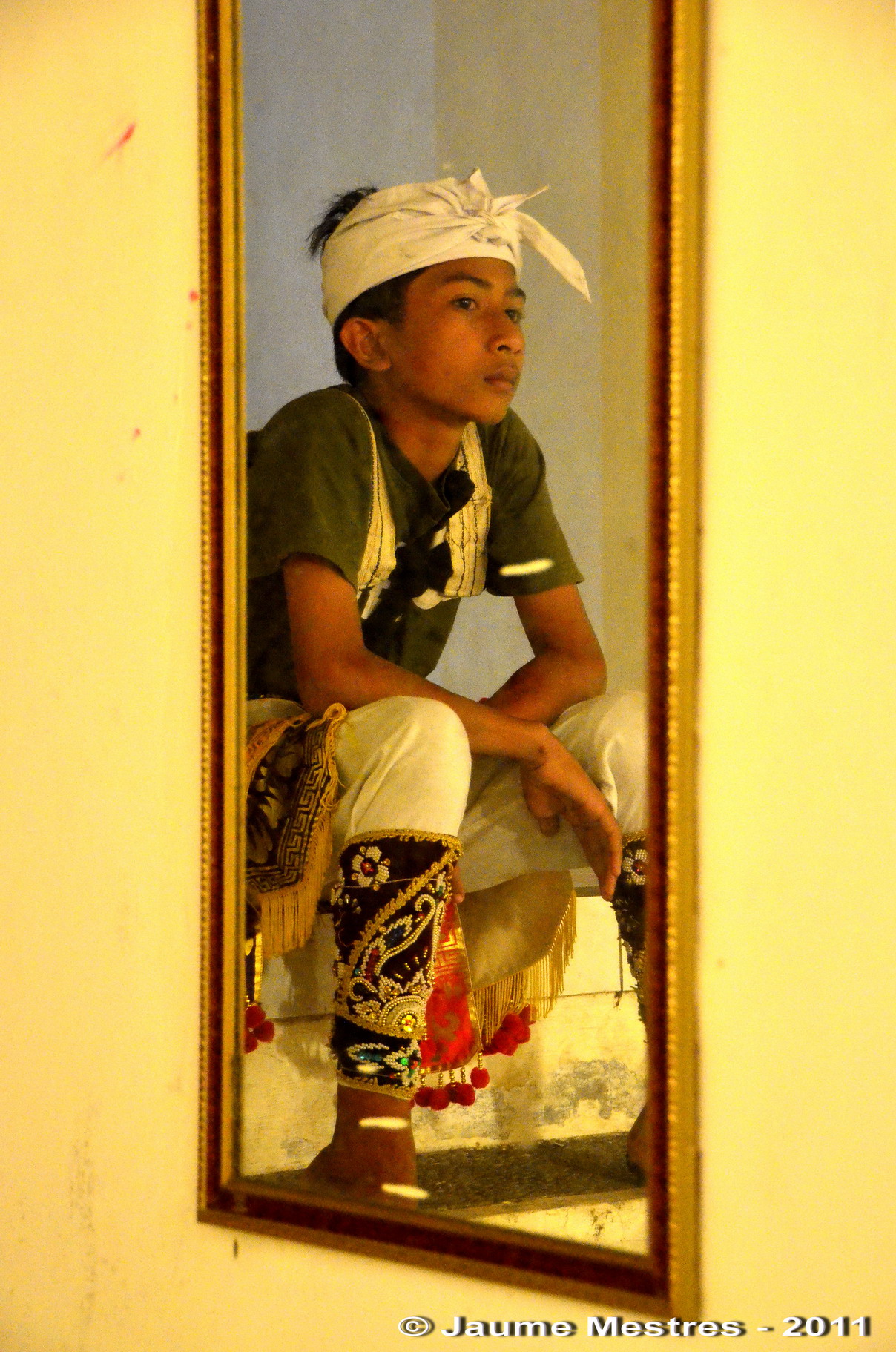
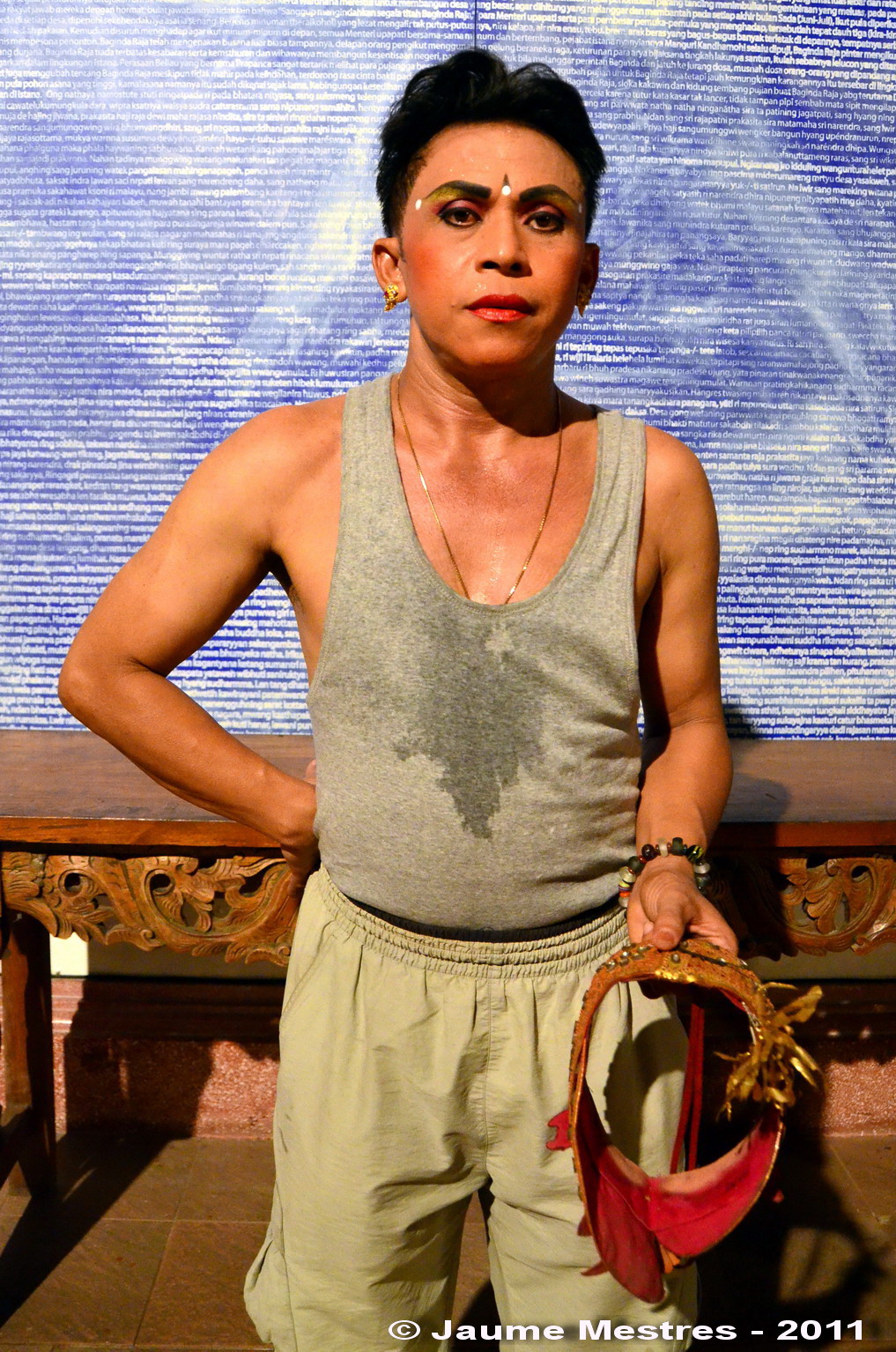
Són personatges balinesos amb caràcter. Entre els nens de la primera i la darrera imatge hi ha cinc ballarins. De la ballarina madura que broda la dansa Legong des que era una nena, al personatge que sosté la màscara de la temible i ferotge bruixa Rangda, àvida de fer mal i invencible eternament. Després veiem el fill petit del mestre Anom Agung, patriarca d’una família dedicada de ple a la dansa tradicional de Bali. El noi es veu reflectit en un mirall, a mig vestir, poc abans de ballar Jauk Keras. Una dansa que havia assajat solament dues vegades. Va aprendre-la a casa seva, alliçonat pel pare, el dia abans.
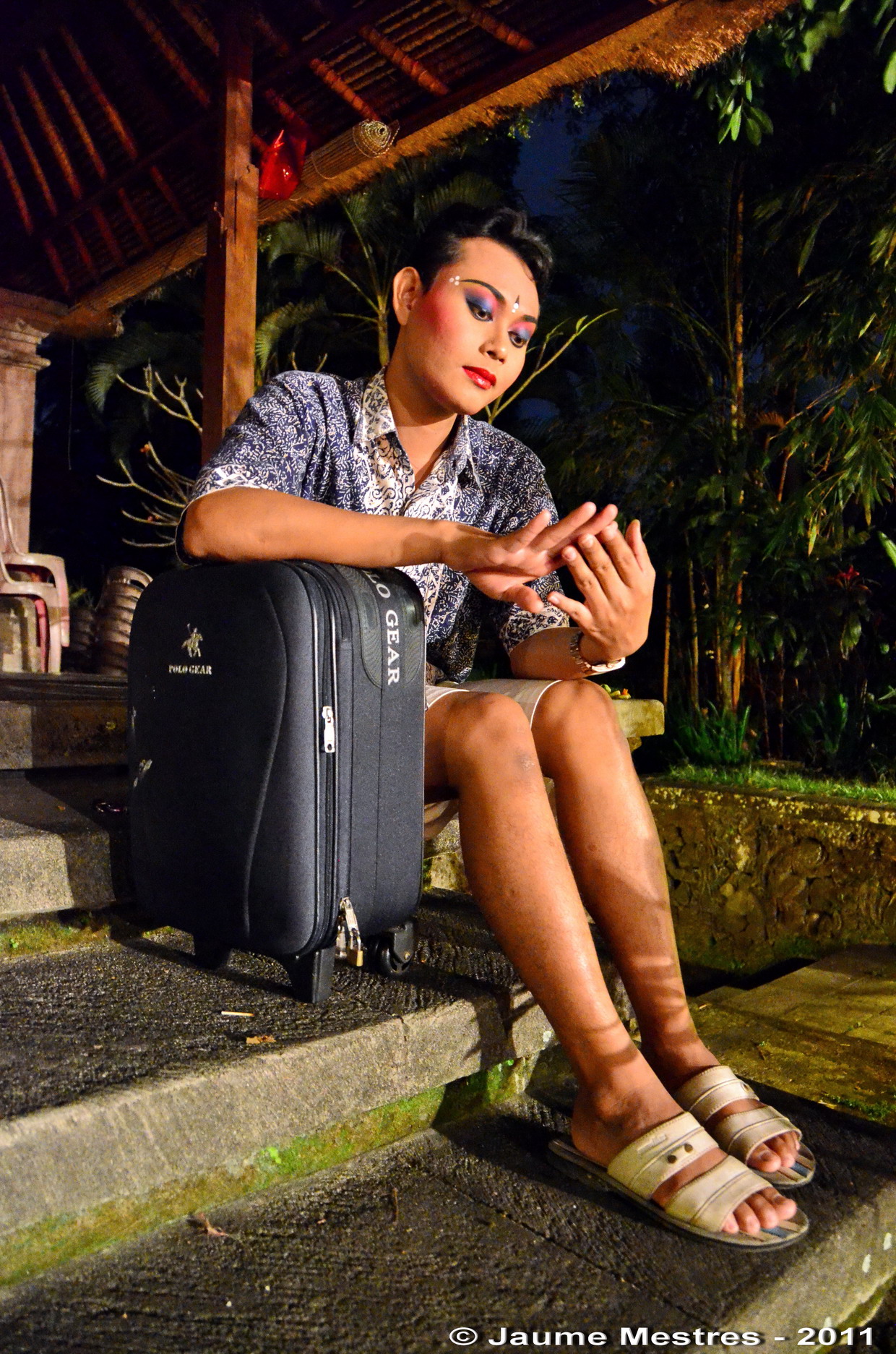
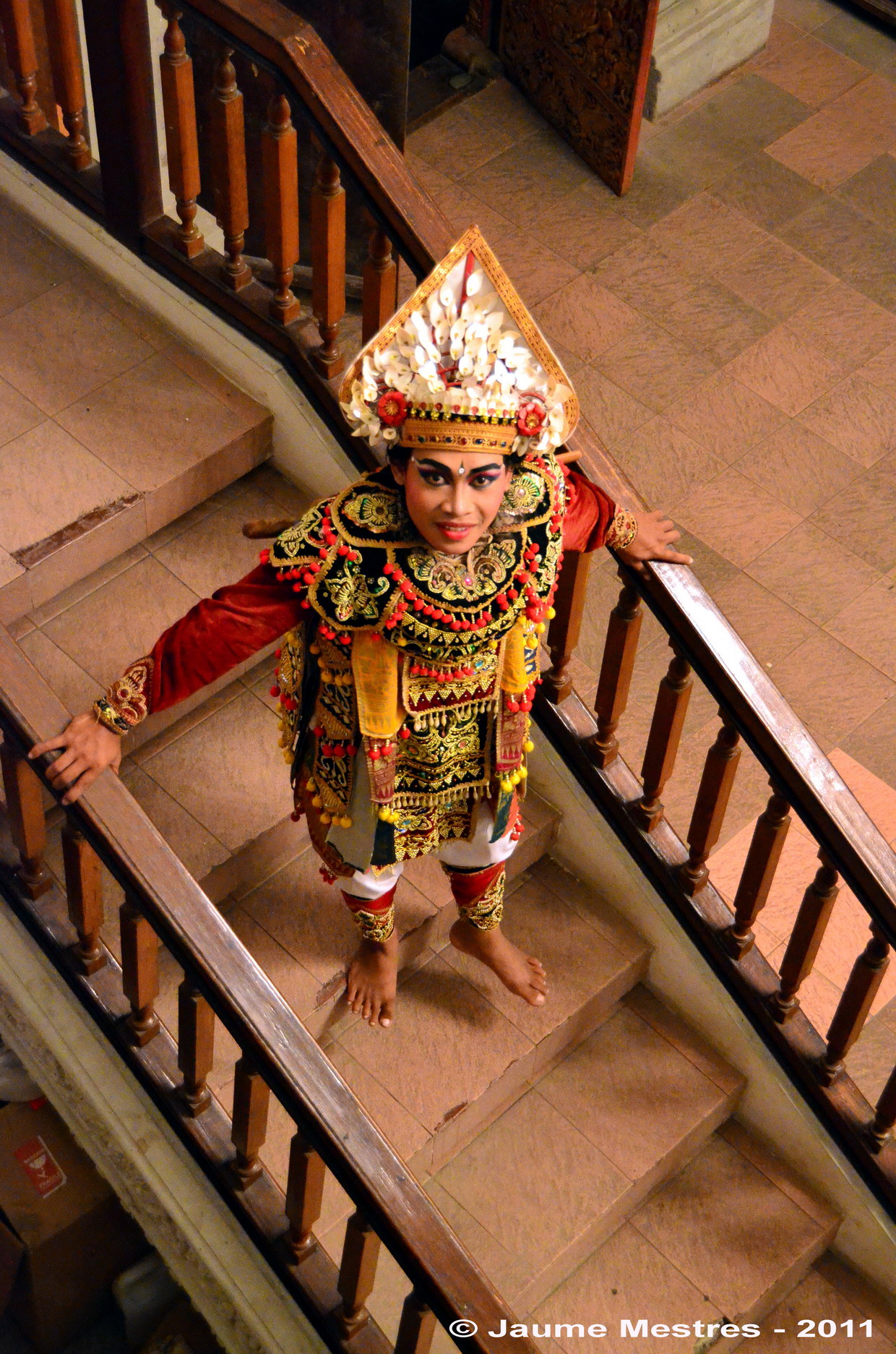
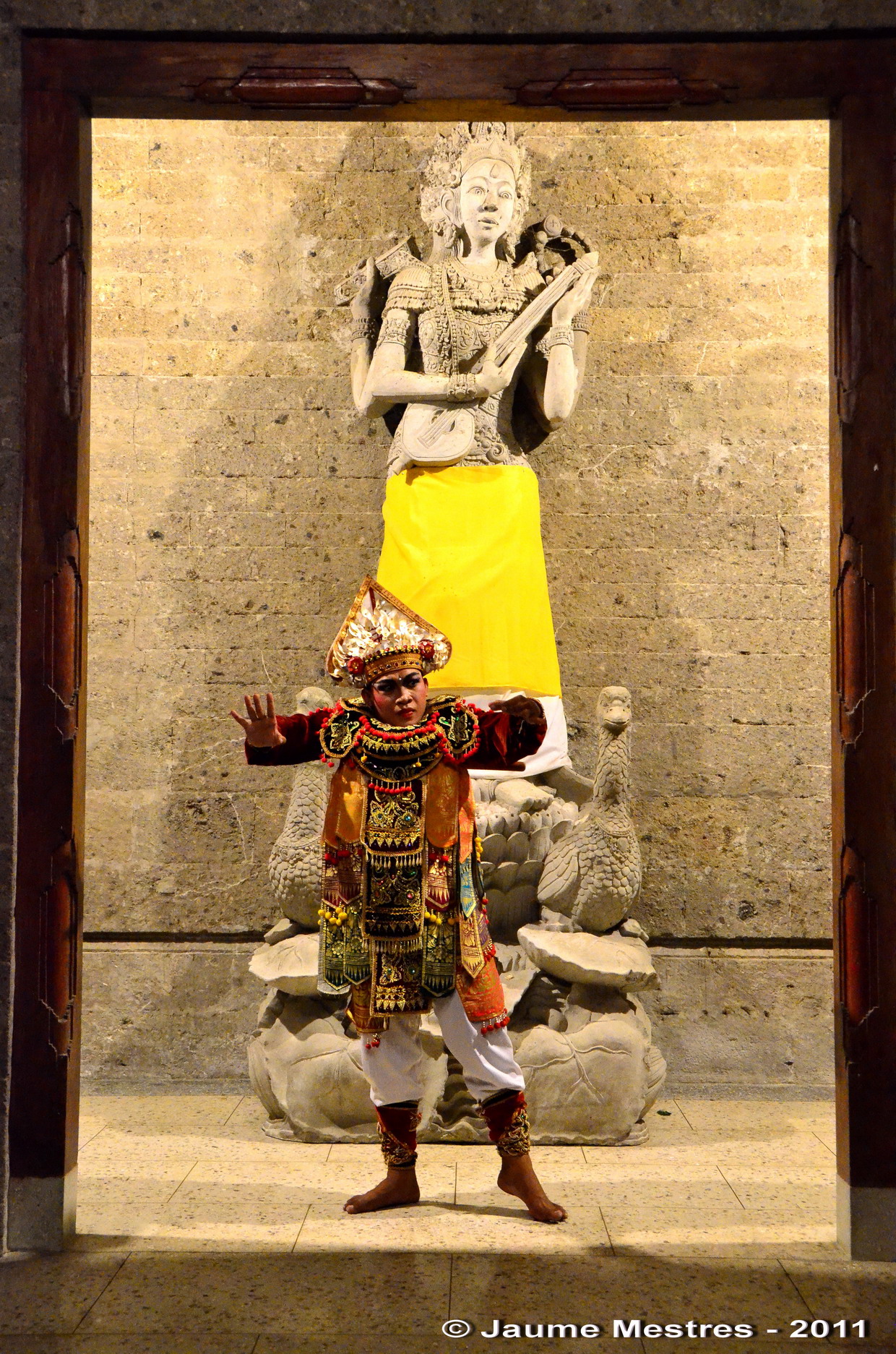
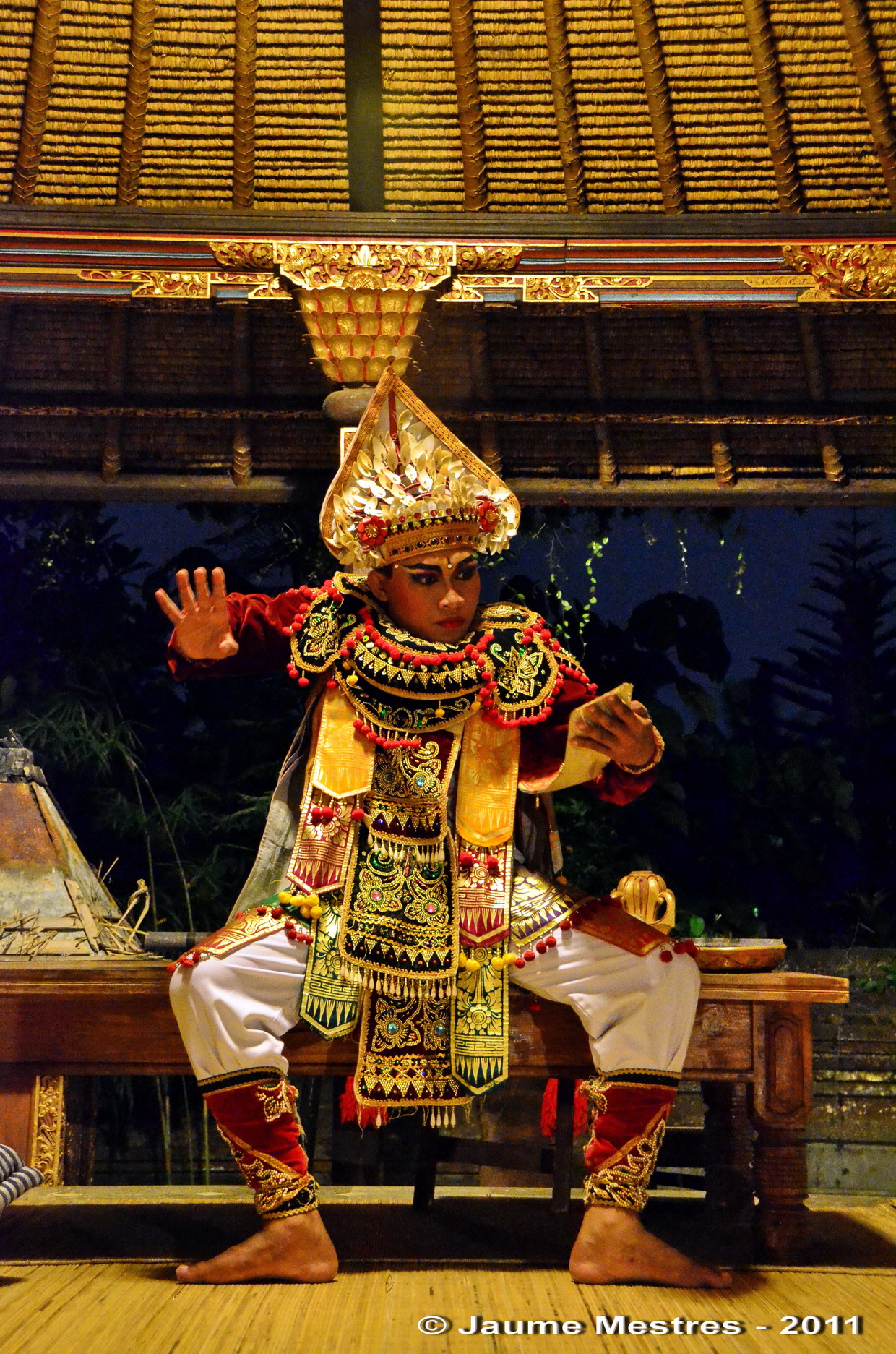
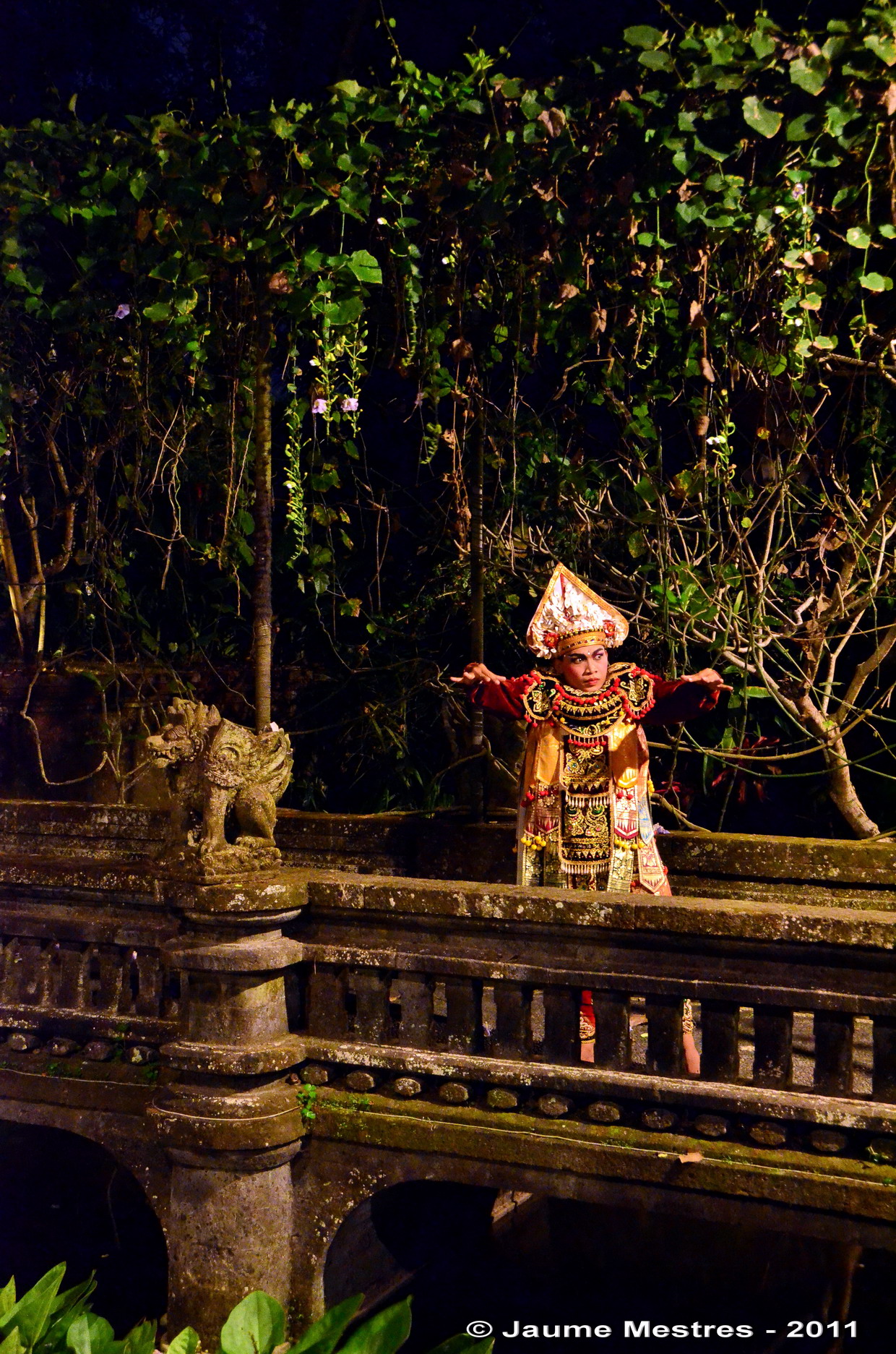
El personatge que ve després és I Dewa Nyoman Wirawan, el gran Unyil. Seu sota una porxada del museu ARMA, amb la maleteta de rodes on hi duu el vestit que necessita per interpretar Teruna Jaya. Feta la fotografia va començar a vestir-se. Dewa (Unyil) excel·leix ballant Teruna Jaya* (Joventut Victoriosa). Teruna Jaya fou concebuda per ser interpretada per una dona. Però requereix tanta energia i gràcia a la vegada que poques ballarines són capaces de sortir-se’n. Unyil dóna a Teruna Jaya la força que necessita i la delicadesa que també demana. El ballarí sovint gira pel món. Actua amb freqüència al Japó, on el segueixen una munió de fans.
El personatge següent és l’entranyable I Nyoman Joni. Un home de 42 anys que encara se sent nen. Va viure una infantesa daurada. Mentre va ser menut fou l’estrella indiscutibe de la dansa Baris. La ballava tan bé que van passejar-lo per tot el planeta: un nino-ambaixador que exhibia el millor de Bali. L’any 1992 va tornar a Europa però com a professor de dansa. No fa gaires anys va fer una estada d’un parell de mesos a Barcelona. Quan parla de la capital catalana li cau la baba. En Joni és un adult amb ànima de nen, un trapella amb cos d’home que es resisteix a créixer. Els èxits de quan era un nen els duu gravats a l’ànima. Enyora aquells anys, voldria recuperar-los. Hi està tan arrapat que l’impedeixen madurar. En Joni mai voldria fer-se gran.
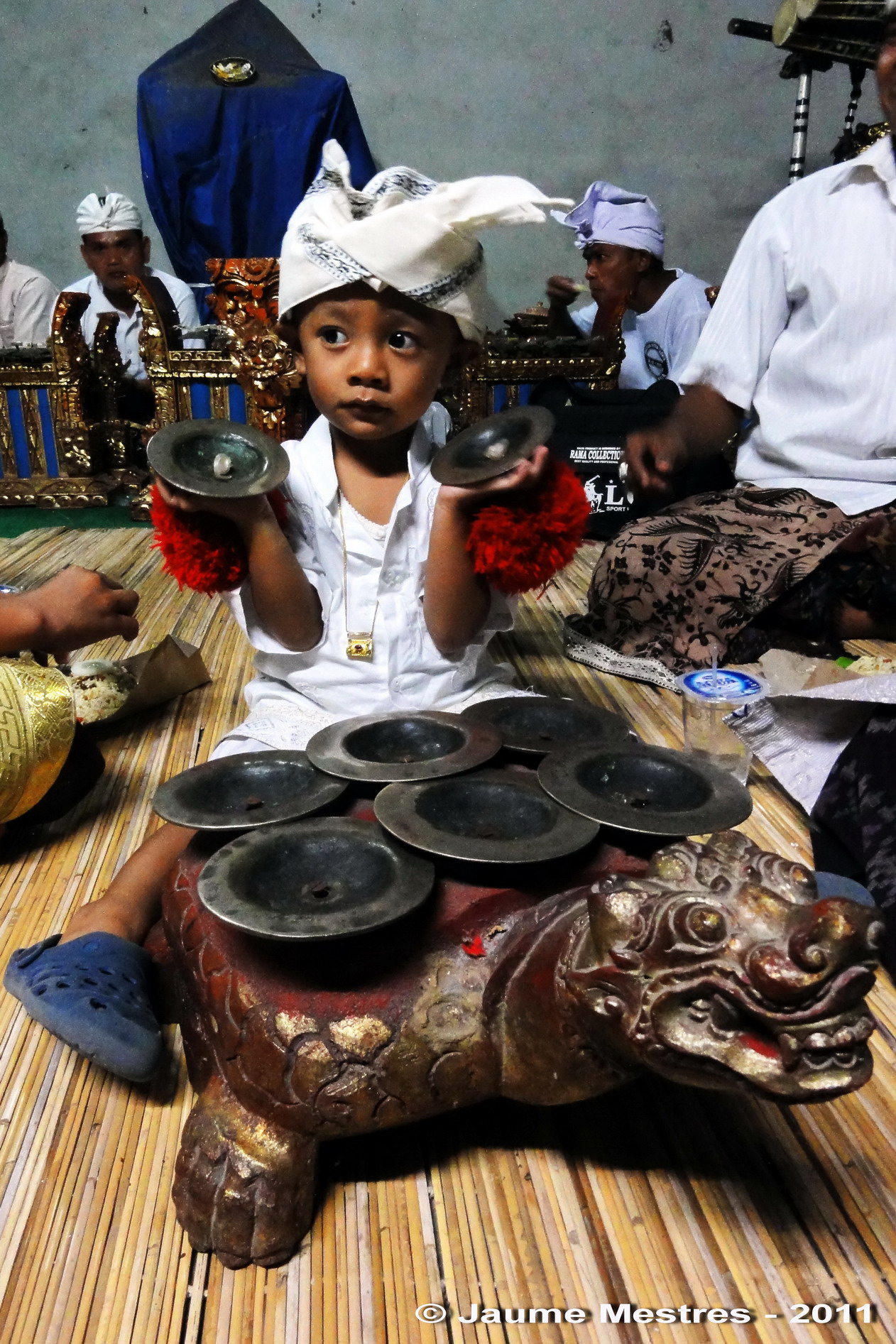
El nen que toca els platerets de la darrera foto vaig captar-lo poc abans que l’immens I Gusti Kompyang Sana oferís als fidels que eren al temple Pura Penataran, de Pengosekan, una interpretació memorable de la dansa amb màscara Topeng Tua (Dansa del Vell). La criatura comença a practicar amb un dels instruments més simples de l’orquestra de gamelan. D’aquí a no gaires anys segur que en serà un expert. Es diria que quan neixen els balinesos ja duen el talent artístic estampat als gens.
*La dansa “Teruna Jaya” interpretada per I Dewa Nyoman Wirawan (Unyil) en aquest vídeo, vaig enregistrar-la el 12 de novembre de 2006 a l’escenari del museu ARMA, d’Ubud. El mateix lloc on a la cinquena fotografia veiem el ballarí assegut esperant el moment de començar a vestir-se per dansar una altra vegada “Teruna Jaya”, gairebé 5 anys després de la interpretació que podem veure a les imatges.

 Jaume Mestres