Cap el mes de juliol, amb l’arribada dels monsons, comença la pasqua budista o Khao Pansà, com en diuen els tais. Durant tres mesos els monjos a penes sortiran dels monestirs. És una època propícia pels joves que volen ordenar-se, també per pregar i meditar en el recer dels temples. L’inici del Khao Pansà se celebra a la ciutat de Nakon Ratchasima, o Korat, amb processons d’espectaculars carrosses de cera. Les imatges de cera representen personatges de la mitologia budista i hinduista: déus, reis i criatures celestes. A la nit, famílies i amics es dirigeixen al parc on són filmades les seqüències per relaxar-se. Miren cinema a l’aire lliure, en aquest cas una pel·lícula de muai tai, la lluita tradicional tailandesa, sopen i xerren. Bons moments per una societat abocada al plaer de viure. Bevent, menjant i mirant cinema se’ls veu plenament feliços.
Al vídeo podem veure un cinema a l’aire lliure instal·lat en un parc públic de Saraburi, ciutat de la Tailàndia central. Les projeccions van fer-se durant les celebracions per commemorar el centenari del traspàs de l’estimat rei tailandès Rama V, conegut popularment com Chulalongkorn. És inevitable rememorar les sessions nocturnes al meu poble, Sant Boi de Llobregat, d’ara fa uns 50 anys. A la placeta de Les Eres, al capdamunt del carrer La Plana, uns firaires muntaven un cinema ambulant . Passaven pel·lícules populars, cinema d’acció -sovint de les anomanades d’indis– i ràncies espanyolades de l’època. Els assistents ens portàvem la cadira de casa. Pagàvem una modesta entrada i gaudíem d’una nit de cinema a la fresca.
The rehearsal was held few weeks before the group from Sanggar Çudamani flew to USA to present it’s new production Bamboo to Bronze. It was recorded at night time at Pura Tamen Limut, a temple located in Pengosekan, Ubud, the same village where Çudamani Group comes from. In the video we see a bit from the beginning of the new production Bamboo to Bronze. The performance features 26 artists including choreography and composition by I Dewa Putu Berata. The artistic director was born into a family of musicians and painters and studied under his father I Dewa Nyoman Sura. He is the founding member of Sanggar Çudamani. Sanggar Çudamani comprised of 60 members. I Dewa Putu Berata has directed numerous gamelan ensembles and works on various international projects throughout the world. I Nyoman Cerita, choreographer, learned dance at age 6 from his grandfather I Made Kenyir. He is recipient of numerous awards as well as from Titane Spectacles/Le Jardin Des Poiries in Paris. Emiko Saraswati Susilo was one of Çudamani’s founding members. She began her formal studies in Javanese and Balinese dance under the direction of KRT Sasmintadipura and Ni Made Wiratini. She has studied Javanese singing from Tri Haryanto and Midiyanto. I Dewa Ketut Alit studied drumming with his father and began performing at age 11. Bamboo to Bronze is a new creation of Çudamani’s group. The music and dance ensemble from Bali, harnesses movement, music and spectacle to transport audiences into the vibrant world of the treasured gamelan art form. Bamboo to Bronze highlights Balinese contemporary reality by celebrating the intimate and poetic sounds of a small village as well as the virtuosic, dynamic and technically dazzling sound of the brilliant seven-toned gamelan Semarandana. The simple beauty of bamboo and the glorious sheen of bronze continue to coexist in the increasingly complex and sophisticated culture of Bali.
The rehearsal was held few weeks before the group from Sanggar Çudamani flew to USA to present it’s new production Bamboo to Bronze. It was recorded at Pura Tamen Limut, a temple located in Pengosekan, Ubud, the same village where Çudamani Group comes from. In the video we see one of the dances included in the new production Bamboo to Bronze. The real name of the dance is Pengleban, but I call it Dance in Blue because the dress color of the four female dancers. Blue color is an unusual color in Balinese traditional dances. The performance features a stellar array of 26 artists including choreography and composition by I Dewa Putu Berata. The artistic director was born into a family of musicians and painters and studied under his father I Dewa Nyoman Sura. He is the founding member of Sanggar Çudamani. Sanggar Çudamani comprised of 60 members. I Dewa Putu Berata has directed numerous gamelan ensembles and works on various international projects throughout the world. I Nyoman Cerita, choreographer, learned dance at age 6 from his grandfather I Made Kenyir. He is recipient of numerous awards as well as from Titane Spectacles/Le Jardin Des Poiries in Paris. Emiko Saraswati Susilo was one of Çudamani’s founding members. She began her formal studies in Javanese and Balinese dance under the direction of KRT Sasmintadipura and Ni Made Wiratini. She has studied Javanese singing from Tri Haryanto and Midiyanto. I Dewa Ketut Alit studied drumming with his father and began performing at age 11. Bamboo to Bronze is a new creation of Çudamani’s group. The music and dance ensemble from Bali, harnesses movement, music and spectacle to transport audiences into the vibrant world of the treasured gamelan art form. Bamboo to Bronze highlights Balinese contemporary reality by celebrating the intimate and poetic sounds of a small village as well as the virtuosic, dynamic and technically dazzling sound of the brilliant seven-toned gamelan Semarandana. The simple beauty of bamboo and the glorious sheen of bronze continue to coexist in the increasingly complex and sophisticated culture of Bali.
Cada diumenge al vespre I Kadek Adi Mahendra es dirigeix al museu de les arts Agung Rai (ARMA) d’Ubud. De fa quatre o cinc anys Mahendra balla la dansa amb màscara Jauk al wantilan o escenari a l’aire lliure del museu. Algunes vegades el ballarí interpreta dues danses, el Baris i el Jauk Longgor. Mahendra, com tantíssimes altres criatures d’Ubud i els vilatges de l’entorn, va aprendre dansa clàssica balinesa a les classes que s’imparteixen al museu ARMA. Actualment Mahendra, encara un ballarí molt jove, és un expert en la dansa Jauk. La interpreta magníficament. Al vídeo podem veure el ballarí al moment de maquillar-se i vestir-se per ballar a l’escenari a l’aire lliure del museu un diumenge al vespre. Començarà amb la dansa del guerrer o Baris. A continuació, interpretarà la dansa amb màscara, Jauk Longgor. Acabada la interpretació de la dansa Jauk, Mahendra retorna al primer pis del museu per desvestir-se. En acabar tanca la porta i surt al pati del museu. Puja a la seva motocicleta i retorna al seu poble, Abianbase, molt a prop de la població de Gianyar.
Once a week in the evening Balinese dancer I Kadek Adi Mahendra goes to Agung Rai Museum of Art (ARMA) in Ubud. Since four or five years Mahendra performs Jauk dance on the open air stage of the museum. Sometimes, before performing Jauk dance Mahendra also dances Baris. Like other many children from Ubud and sorrounding villages, Mahendra learned Balinese classical dance at the premises of the museum. Now Mahendra is a Jauk Longgor dance expert. At the video we can see Mahendra making-up and dressing at the second floor of ARMA museum. When his performance is over the dancer goes back to the room at the second floor of the building. After undress Mahendra close the door behind him and goes to the patio of the museum. He gets his motorbike and rides back home.
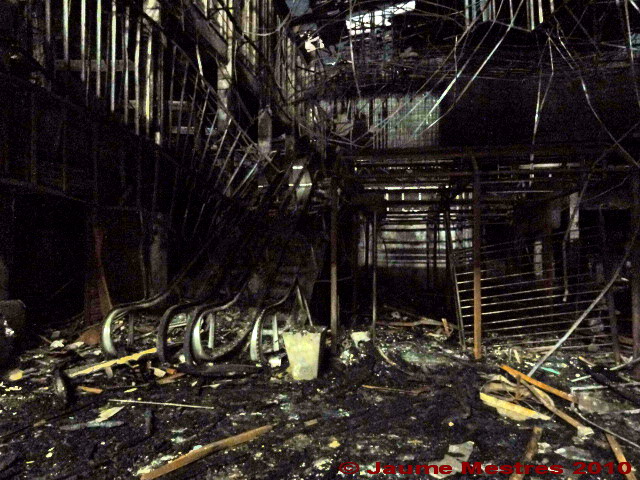
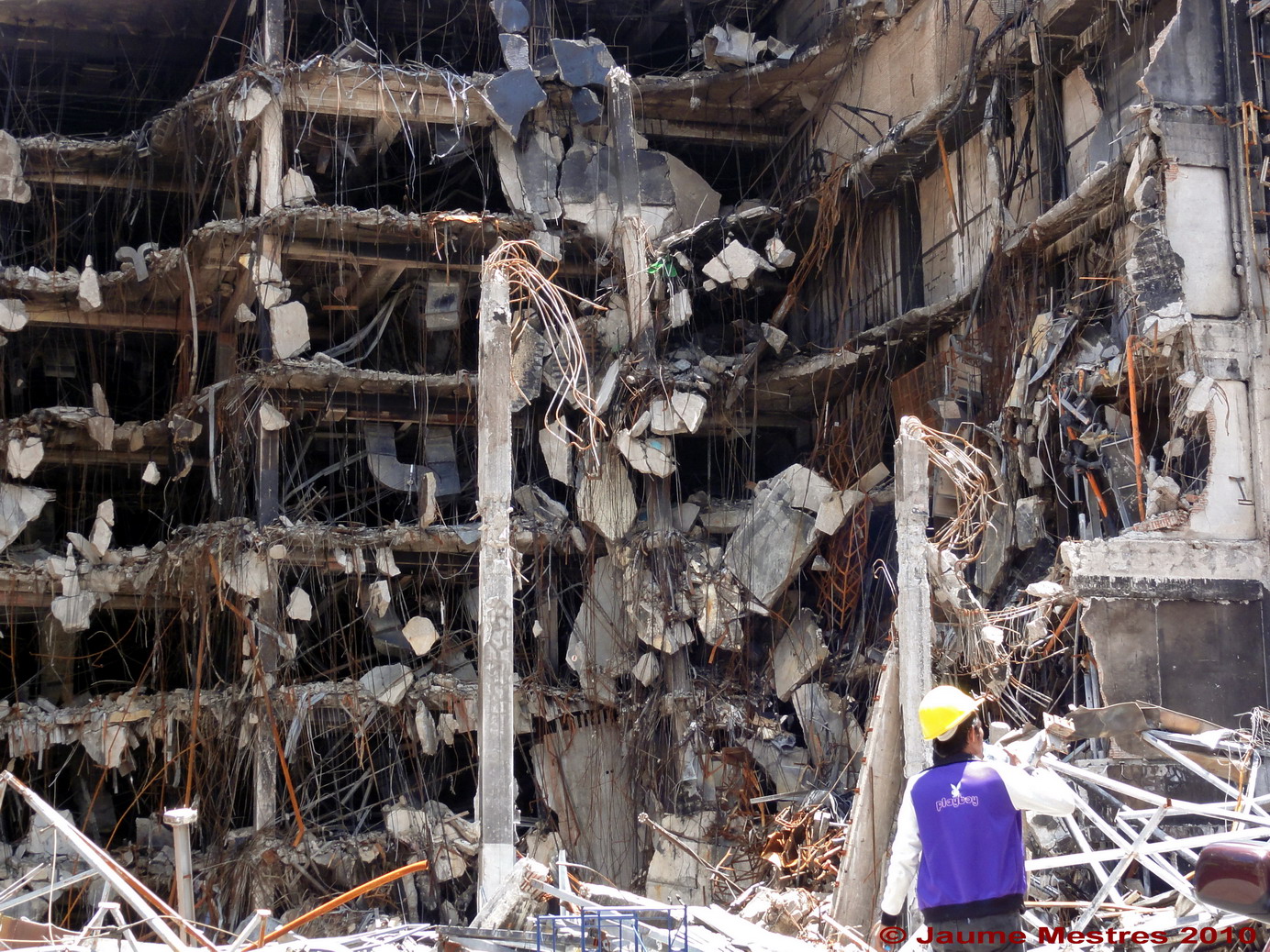
Estat actual del cinema Siam després de l’incendi provocat del passat 19 de maig. Fotografia nocturna feta sense flaix ni trípode, i sense a penes llum. L’accés al recinte tancat està prohibit. Per poder fer la imatge he hagut d’entrar-hi aprofitant que era de nit, al moment que uns homes obrien la porta de la tanca per recollir uns sacs. Plaça Siam, Bangkok.L’edifici on hi havia el centre comercial Central World després de l’incendi provocat del passat 19 de maig. Ploenchit, Bangkok.
Arribo a Bangkok al capdavall d’un viatge llarguíssim. Eficiència suïssa a l’avió, agradables hostesses helvètiques repartint somriures i amabilitat a cabassos. En un món tan poc donat al bon tracte, la simpatia és un do preuat per escàs. Entro cansat a l’hotel, durant el vol no he dormit gens. Males jugades del passat han deixat petja: fa uns quants anys vaig viure unes espantoses turbulències volant de nit pel cel d’Albània a bord d’un avió de British Airways.
A Bangkok vaig per feina. A l’hotel hi sóc just per deixar l’equipatge i fer una dutxa ràpida. Canvi de roba i al carrer. El temps s’arronsa cada dia que passa. S’ha d’aprofitar la saba de les hores.
Visito els escenaris de les recents batalles campals i algun dels edificis cremats. Els incendis impressionen més del què pensava. Havia de fer molt efecte veure monstres de vidre i formigó envoltats de flames.
Entro al Wat Pathum Wanaram. En aquest temple va esdevenir-se una de les pitjors mostres de la violència que va ensangonar el centre comercial de Bangkok el passat 19 de maig. Van refugiar-s’hi centenars de camises vermelles confiant que s’hi trobarien segurs. Eren homes i dones -també criatures- que participaven en les accions contra el govern sorgit del darrer cop d’estat. Quan al matí d’aquell dia els tancs de l’exèrcit van derrocar les barricades, molts dels manifestants van fugir precipitadament d’on eren acampats. Van dirigir-se al temple per proximitat i perquè havia estat declarat zona segura.
Soldats d’elit, tiradors experts, van apostar-se en l’estructura de formigó paral·lela al temple, que s’alça uns 15 metres sobre el nivell del terra. Per la plataforma hi circula el tren aeri que connecta els llocs més cèntrics de Bangkok. Des del punt on hi havia els soldats es divisa a la perfecció la totalitat del Wat Pathum Wanaram, encaixonat entre dos grans centres comercials, el Siam Paragon i el Central World. El Central World és un dels 36 edificis que van ser incendiats aquell mateix dia. Cap a les sis de la tarda, els tiradors van apuntar els fusells directament als refugiats i començaren a disparar, talment com si cacessin conills. A sang freda, un tir al blanc implacable contra gent indefensa. Almenys van matar sis persones, però en van ferir moltes més. No se sap exactament quantes persones van caure perquè en els moments de confusió un escamot militar va presentar-se de sobte al pati del temple. Segons els testimonis van endur-se cadàvers i malferits. El nombre exacte de vides humanes perdudes el 19 de maig al Wat Pathum Wanaram, probablement no se sabrà mai.
Avui al temple s’hi concentra un gran nombre de persones. Són fidels budistes que oficialment hi acudeixen per fer ofrenes als monjos. D’ofrenes en fan, per descomptat, però en realitat han anat al temple per parlar del que va succeir la data nefasta. Al moment dels esdeveniments molts dels presents es trobaven refugiats al santuari. Veig un vell ferit de bala en un peu. El cap dels guardes de seguretat dóna amplíssimes explicacions dels incidents. Els detalla fil per randa. És prou valent, no s’estar de blasmar l’exèrcit. Escolten el guarda una munió de periodistes tailandesos. Sentir els fets que narra amb tanta sang freda fa posar la pell de gallina.
Veig centenars de roses vermelles i garlandes de llessamí als llocs on van caure les víctimes. La gent envolta els túmuls de flors, prega i vessa llàgrimes en silenci. Unes dones em mostren fotografies dels caiguts. Imatges crues de cossos acabats d’abatre. Vides segades, palidesa als rostres inerts, ulls oberts on s’hi endevina el pànic, pell i roba amarades de sang. La gent parla, intercanvia experiències. Es comporten, però estan furiosos. Els tais saben contenir-se, però el que acaben de viure els sobrepassa.
M’ensenyen un setmanari que publica a portada sencera una fotografia reveladora. Es veuen a la perfecció tres soldats a les vies del tren elevat disparant contra el temple. El que sobta és que, segons m’asseguren, aquesta fotografia l’hagin passada a la redacció de la revista membres del cos de policia. L’aparent incongruència no ho és perquè se sap que l’omnipotent exèrcit tai i el no menys poderós estament policial no s’avenen. Es fan la guitza i es qüestionen sempre que poden.
Lluny d’haver-se resolt, el conflicte s’ha atiat de mala manera amb els darrers incidents. Sospito que el que ha passat és solament el prolegòmen d’una violència que quan torni a desfermar-se serà encara més sagnant.
La solució passa pel diàleg de veres entre les parts oposades. Massa arrogància d’una banda i excessiva frustració de l’altra per entendre’s. Els qui ara manen no estan disposats a convocar noves eleccions. Saben que les tornarien a perdre, com sempre les han perdut els darrers anys. No volen deixar escapar el poder usurpat amb argúcies. Els grocs no cediran, els vermells tampoc. La societat tai està realment dividida. La classe mitjana emergent de Bangkok és groga gairebé en la seva totalitat. Els poders fàctics també, no cal dir-ho. La població rural i urbana de les províncies del nord i nord-est del país és majoritàriament vermella.
És qüestió de temps que el conflicte irresolt, de moment soterrat, torni a emergir. Veurem més violència en el següent capítol que s’acosta. Tothom sap que les hostilitats desembocaran en un final imprevisible.
A la ciutat tailandesa de Korat o Nakhon Ratchasima, com es diu oficialment, em trobo amb la celebració de l’ordenació d’un monjo. La festa arrenca amb la sortida del sol. Familiars i amics acompanyaran el novici durant tota la jornada. La cerimònia comença als peus del monument a l’heroïna local Ya Mo. Els congregats preguen tot passant per sota la panxa d’un elefant per encomanar-se força i salut. Seguidament, comencen a desfilar en direcció el temple pels carrers més cèntrics. Beuen whisky d’arròs, ballen al so de l’orquestra ambulant i canten. En arribar al temple, el novici baixa de l’elefant. Per torns, els amics el pugen a coll-i-be. Donen unes quantes voltes a l’entorn del santuari. A continuació, comença la cerimònia de l’ordenació a l’ubosót, la part més sagrada del monestir. La festa acaba amb un fastuós tiberi col·lectiu al pati del temple. Tiberi al qual em conviden, és clar!
Cisellar fruita és una vella tradició tailandesa. Els tais són gent refinada. Probablement per això són extraordinàriament hàbils en l’art d’esculpir peces de fruita. Vaig gravar el vídeo a la fira de l’Ensenyament que se celebra anualment a Roi Et, capital de la província del mateix nom. Roi Et vol dir “101”. Es diu que el nom li ve de les suposades cent-una portes que en temps pretèrits tenia la muralla que protegia la ciutat. Una suposició més a prop de la fantasia que de la realitat. Sense una ment imaginativa, com s’ho farien els tais per crear aquestes filigranes? Un noi i una noia esculpeixen la fruita que veiem a les imatges. Tots dos són estudiants de secundària. Gent jove, preparada per excel·lir. Almenys en l’art de cisellar la fruita.
When the ancestors of today’s Thai Chinese community migrated south and arrived in Thailand, they brought their culture with them and preserved it in their new surroundings. In their cultural baggage were traditional Chinese forms of entertainment which brought them solace as they endured the rigors of beginning life anew in a place that was far from home. One form of popular theatre that they especially loved was ngiw (งิ้ว), or Chinese Opera. Nowadays there are ngiw troupes not only in Bangkok as it used to be before. However, the heads of most ngiw troupes hire performers from Isan instead of Chinese singers, who are very scarce. It isn’t necessary that the actors speak Chinese; all they have to do is memorise the words required. Not only stage roles are taken by Thais from Isan these days. The musicians, too, usually come from the North-East. But all of these changes make very little difference to the audience, as those who understand all of what is going on up on stage are few. At present there are about 30 ngiw troupes active in Thailand, not more than 10 of them made of up Chinese performers. Most of them have work to do all year long, as they are invited to perform at different towns and cities. One of these troupes is performing in Nakhon Ratchasima town, or Korat as most Thai like to say. The performance was held close to the monument of local female hero Tao Suranari (Ya Mo) during the celebrations of Chinese New Year.
When night falls people from Pengosekan gather at the temple Pura Penataram Dalem to celebrate its anniversary. It’s a sacred and magnificient celebration, called Odalan, wich take place every 210 days. The Pura Dalem is the temple of the dead, where cremation ceremonies are held. But the video shows no funeral on the temple premises, only joy and fun. At the beginning we see the entrance of the Barongs at the campound of the temple. The Barongs are the most sacred criatures on the Balinese mythology. Balinese Barongs come in many forms, but the most common is like a baroque Chinese lion, the Barong Ket, with big eyes and clacking jaws. It is one of the most sacred masks in Bali. Probably every village has at least one. The Barong is accompanied by a Balinese gamelan orchestra. The Barong protects the village from harmful influences. It parades the streets every Galungan festival, dancing in front of houses and shops, warding off evil. The Balinese bow in reverence. It does the same just before Nyepi, the Balinese New Year. Two men are inside: one operates the wooden head and lower movable jaw, and the other holds up the back and arched tail. No special qualifications for the men, but they must belong to the same banjar as the Barong. And the need to be stout as the whole Barong Ket costume weighs about 85 kilos. The front is heavy and the dancer will need to be relieved during long processions.
After the priest blessing the sacred criatures, Barong Macan (Tiger Barong) starts dancing, at 00:56. [From the beginning to the end of Barong Macan Dance the music -playing strings and flutes- is simply wonderful: highly recommended listening with attention]. When Barong dance ends, a man dancing Jauk Manis appears [03:57]. Jauk dance is a classical solo performance expressing the movements of a demon. Jauk is derived from a traditional play in which all the dancers, wearing frightening masks of the raksasa or demon type, recreate episodes from the Kawi versions of the Ramayana and Mahabharata, like the dance Baris. Jauk is considered a difficult dance. The dancer aim is to express the character revealed in the appearance of the mask: strong, powerful personality. Unlike the Baris dancer, a Jauk performer cannot rely on facial expressions to convey feeling. He is obliged to express his demoniac exuberance through his gestures alone. The round, protruding eyes and tentacle like fingernails are the marks of identification for a demon. The Jauk dancers movements closely resemble those of the Baris, but his manner is more exaggerated and violent. Suddenly he lunges, the music becomes frenetic with loud, clashing sounds, he spins to reach the perimeter of the stage: then stops, precise and controlled. Slowly, he retreats, as if preoccupied by dark, treacherous thoughts. When Jauk dance finishes appear on the video two man playing Lawak Bali [07:10], a sort of comedy very appreciated for all audiences. Both adults and children enjoy watching the men acting like clowns. Finally, we see a bit of Barong Ket dance [08:56]. Barong Ket is the most sacred Balinese creature. With a fragment of this dance the video ends. The musicians playing gongs, strings, drums, flutes and xylophon instruments (Gamelan Orchestra) are members of sanggar Çudamani, from the village of Pengosekan. Çudamani Group is one of the most finest and prestigious artistic ensembles in Bali. Enjoy the images and have fun.

 Jaume Mestres